
Understanding Rendang: A Culinary Treasure
The Historical Roots of Rendang
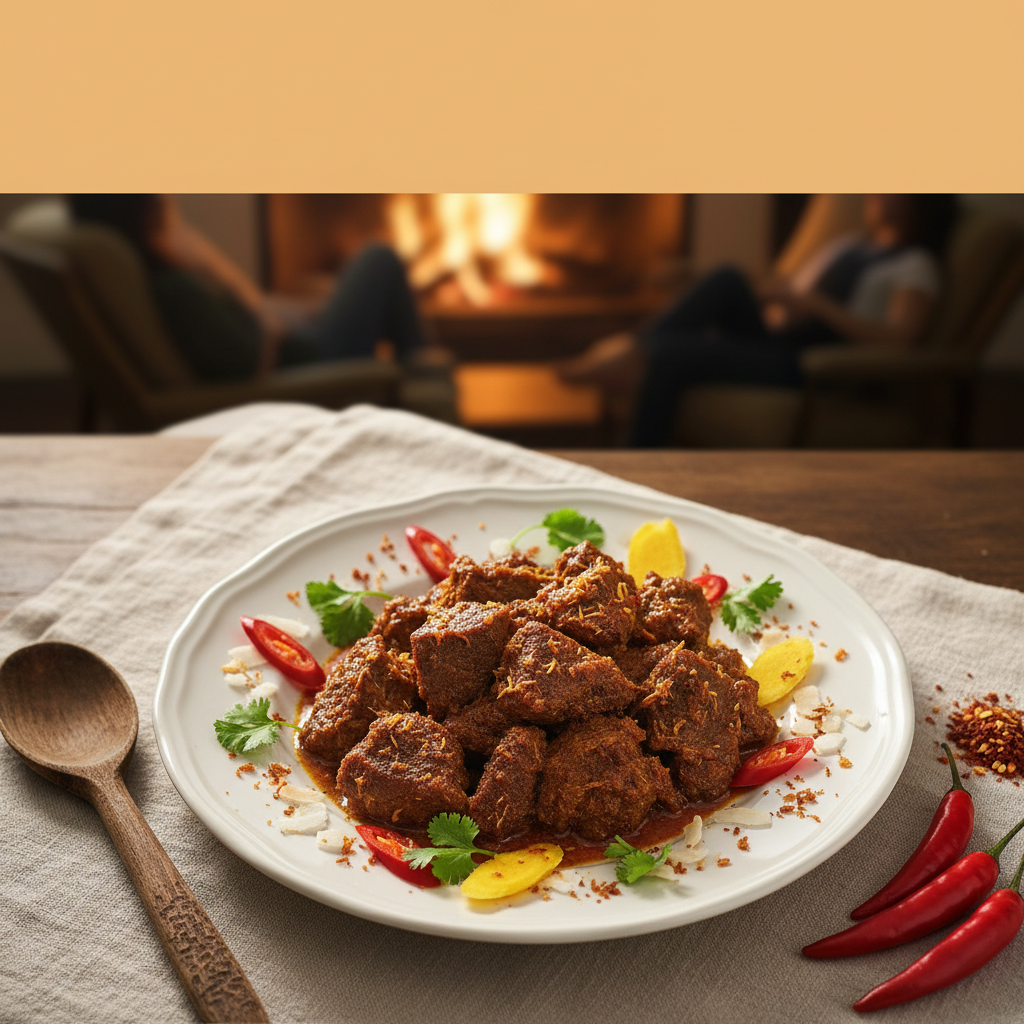
Rendang has deep roots in Indonesian culture. It started in West Sumatra, where the Minangkabau people created this dish. They used beef and spices to make a rich sauce. The slow cooking made the beef very tender and full of flavor. This dish was not just food; it was a symbol of love and care. Families cooked it for special events and celebrations.
Cultural Importance of Rendang in Indonesia
Rendang holds a special place in Indonesian culture. It is often served at weddings and festivals. The dish shows hospitality and respect for guests. Many people believe that serving rendang means you care for others. It brings family and friends together around the table. This dish is a way to share joy and love in the community.
Rendangs Evolution Over Time
Over time, rendang has changed and grown. Different regions in Indonesia have their own styles. Some make it spicier, while others keep it mild. People also use different meats, like chicken or lamb. Today, you can find rendang in many places around the world. It is no longer just an Indonesian dish; it is loved by many.
Key Ingredients for Authentic Rendang
Essential Ingredients for Authentic Rendang
To make the best beef rendang, you need fresh and high-quality rendang ingredients. Start with beef, preferably chuck or brisket. These cuts are tender and full of flavor. You will also need coconut milk for a rich texture. Fresh lemongrass, garlic, and ginger bring brightness to the dish.
Dont forget the shallots, as they add sweetness. You will also need kaffir lime leaves for a zesty touch. The long cooking time allows these flavors to blend well. Each ingredient plays a key role in creating a deep and rich flavor profile.
The Role of Spices in Rendang
Spices are the heart of rendang. They create its unique taste. You will use spices like turmeric, coriander, and cumin. These give rendang its warm, earthy notes. Red chili adds heat, so adjust it to your liking. Using freshly ground spices enhances the flavors even more.
Dont forget to add star anise and cloves. These spices add a sweet and aromatic touch. The blend of spices turns your rendang into a real treat for your taste buds.
Choosing the Right Meat for Perfect Rendang
The best meat for rendang is beef. Cuts like chuck or brisket work well. They become tender after long cooking. If you prefer a leaner option, you can use sirloin. Just remember, tender cuts yield the best results.
For those who want a twist, try lamb or chicken rendang. Both can be delicious too. When choosing meat, look for marbling. This will add flavor and moisture to your dish. The right meat will make your rendang shine.
How to Make Rendang: Step-by-Step Guide
Preparing Your Ingredients for Rendang
First, gather your ingredients. You will need beef, coconut milk, and spices. Use lemongrass, galangal, ginger, and turmeric for rich flavor. Chop the beef into bite-sized pieces. This helps it cook evenly. Next, prepare your spices. Blend shallots, garlic, and chilies into a paste. This mix is key to making rendang shine.
Step-by-Step Cooking Process for Rendang
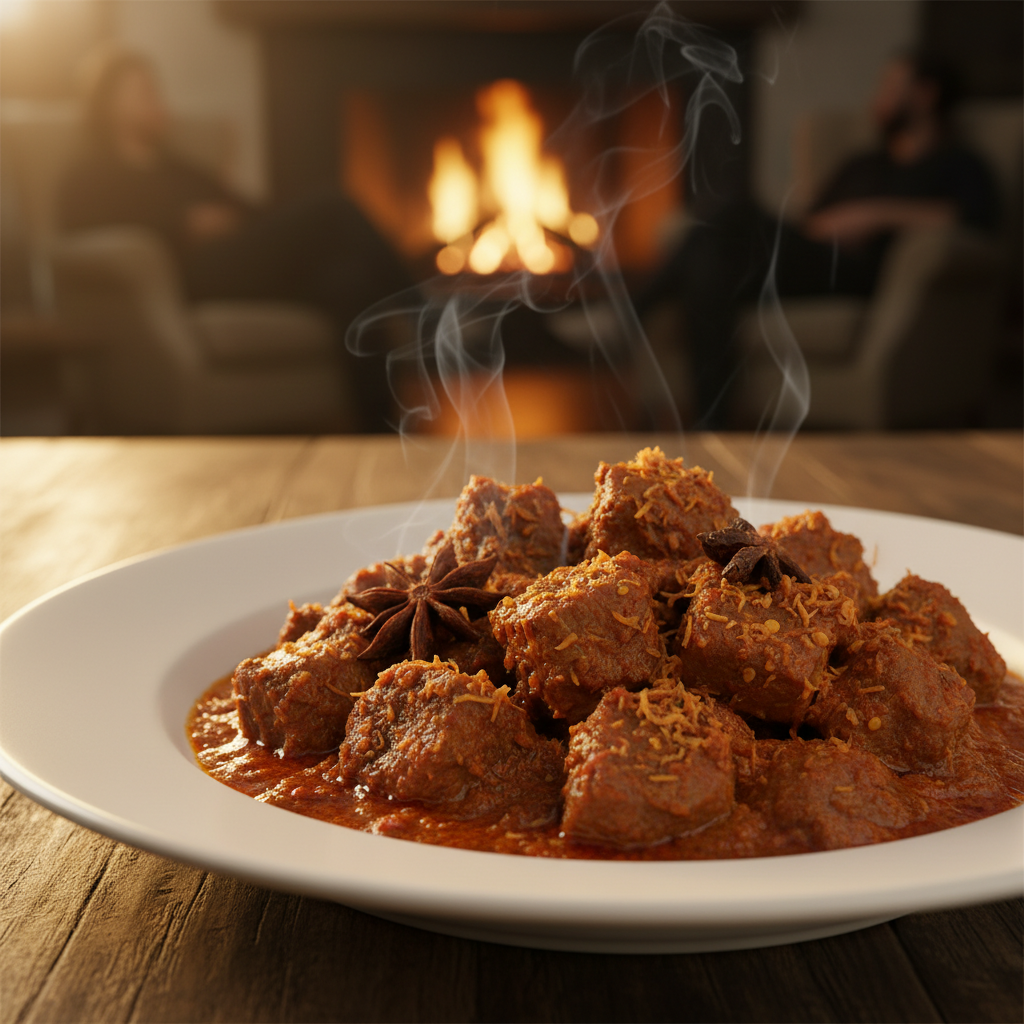
Start by heating a large pot. Add oil and your spice paste. Cook this mix until it becomes fragrant. Then, add the beef and stir well. Pour in the coconut milk next. Let the mix come to a boil. After that, reduce the heat. Simmer the rendang for several hours. This slow cooking makes the beef tender and tasty. Stir often to prevent sticking.
Tips for Achieving the Perfect Consistency
To get the best texture, monitor the sauce closely. If it’s too thin, cook longer to thicken it. If it’s too thick, add a splash of water. Taste your rendang as it cooks. Adjust salt and spice levels to your liking. Serve when the sauce is rich and the meat is soft. For the full recipe, check the details in this article!
Exploring Variations of Rendang
Popular Variations of Rendang Around the World
Rendang has many tasty forms. Each region adds its own twist. For example, in Malaysia, you find a sweet and spicy blend. In Thailand, they might use coconut milk for creaminess. You can also find many spicy rendang variations. These variations use different meats or spice levels. Beef rendang remains the classic choice, but lamb and chicken are also popular. Each brings its own flavor. The cooking method stays true to the slow-cooked tradition.
How to Make Chicken Rendang
If you want to try chicken rendang, start with chicken thighs. They stay juicy while cooking. Blend shallots, garlic, and ginger to make a smooth paste. Add this to your pot with spices like turmeric and lemongrass. Cook until fragrant, then add coconut milk. Let it simmer, stirring often. The chicken will soak up the rich flavors. Cook until tender, about an hour. This chicken rendang recipe is a fantastic twist on the classic beef version.
Vegan Alternatives for Rendang Lovers
Vegan rendang options can be just as rich. Use jackfruit or tofu as your base. Jackfruit mimics the texture of meat well. Start with the same spice blend as beef rendang. Cook the spices, then add coconut milk and your chosen meat substitute. Simmer until thick. The spices will create deep flavors, making it a hit. Serve it with rice for a complete meal. These vegan rendang recipes are perfect for plant lovers.
Serving and Pairing Rendang with Other Dishes
Traditional Side Dishes to Serve with Rendang
Rendang shines as a main dish. It pairs well with crispy fried tofu and tempeh. These sides add crunch and texture to your meal. You can also serve it with pickled vegetables. They bring a nice tang that cuts through the rich flavors of rendang. Another great choice is a simple salad. Fresh greens balance out the hearty beef.
Ideal Rice Pairings for a Complete Meal
Rendang and rice are a match made in heaven. Jasmine rice is soft and fragrant, perfect for soaking up the sauce. You can also use sticky rice. Its chewy texture holds the flavors well. For a twist, try coconut rice. The hint of sweetness enhances the spices in rendang. Remember, the rice should be fluffy and warm to make the meal complete.
Serving Rendang for Special Occasions
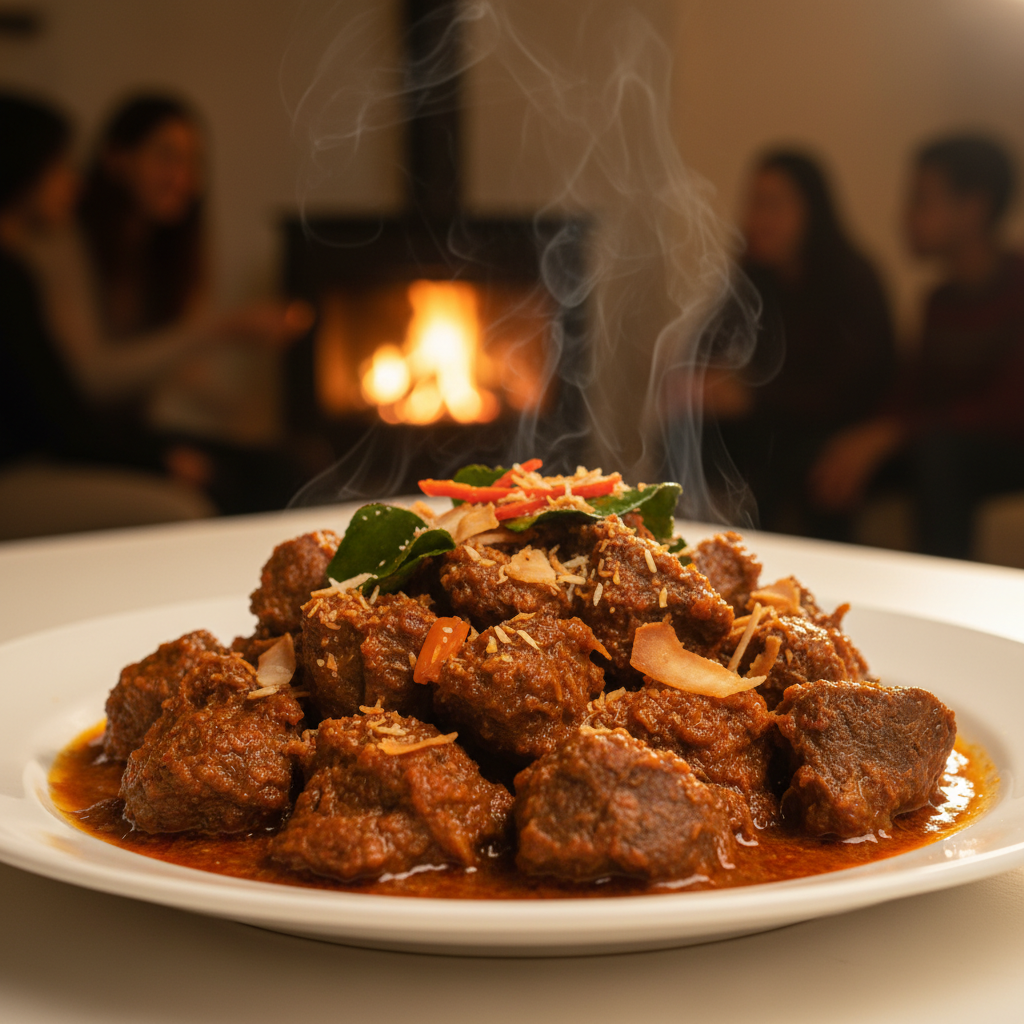
Rendang is a star at celebrations. It brings friends and family together. For parties, serve rendang in a large bowl. Let guests help themselves. Pair it with colorful side dishes for a feast. You can even serve it on special plates to impress. If you want to go all out, add festive drinks. They will make your gathering even more memorable.
Tips for Perfecting Your Rendang Recipe
Common Challenges in Cooking Rendang and How to Overcome Them
Cooking rendang can be tricky. One common problem is getting the meat tender. You need to cook it low and slow. If your rendang is too dry, add more coconut milk. This gives it a rich flavor and keeps it moist.
Another issue is the spice level. Some find it too hot. Start with less chili and add more later. Taste as you go. This way, you can control the heat.
Expert Tips for Enhancing Rendang Flavor
To make your rendang pop, try adding fresh herbs. Lime leaves and lemongrass boost the flavor. Toasting your spices before adding them can also enhance the taste. It brings out their rich aromas.
For a deeper flavor, let your rendang sit overnight. The next day, the flavors blend beautifully. Always remember to taste and adjust. A pinch of salt or a splash of lime can change everything.
How to Store and Reheat Rendang for Best Results
Storing your rendang properly is key. Let it cool first, then place it in an airtight container. It keeps well in the fridge for up to a week. For longer storage, freeze it for up to three months.
When reheating, do it slowly. Use low heat to avoid drying it out. Add a bit of coconut milk if needed. This keeps the texture creamy and delicious.
Ingredients
- 2 pounds beef, cut into cubes
- 1 can (13.5 oz) coconut milk
- 1 cup water
- 2 stalks lemongrass, bruised
- 6 kaffir lime leaves
- 2 tablespoons tamarind paste
- 1 tablespoon salt
- 1 teaspoon sugar
- 3 tablespoons vegetable oil
- 3 red chilies, chopped
- 5 shallots, chopped
- 4 cloves garlic, minced
- 1 inch ginger, minced
- 1 inch galangal, minced
- 2 teaspoons ground coriander
- 1 teaspoon ground cumin
- 1 teaspoon turmeric powder
Instructions
- Heat oil in a pot over medium heat.
- Add shallots, garlic, ginger, galangal, and chilies. Sauté until fragrant.
- Add beef and cook until browned.
- Stir in coconut milk, water, lemongrass, and lime leaves.
- Add tamarind paste, salt, and sugar.
- Bring to a boil, then reduce heat to low.
- Simmer uncovered for about 2-3 hours, stirring often.
- Cook until the sauce thickens and the beef is tender.
- Taste and adjust seasoning as needed.
- Serve hot with rice or your favorite side dishes.