Understanding Meal Preparation
Meal preparation, or meal prep, involves planning and preparing meals in advance, allowing you to save time, money, and effort during the week. This practice is not only practical but can also enhance your overall dietary habits. By dedicating a few hours once a week, you can create a variety of meals that cater to your nutritional needs and preferences.
Meal prep can be as simple or as elaborate as you wish. Whether you prefer to cook entire meals or just prepare ingredients, the goal is to make your week easier and healthier. With the right approach, anyone can master this skill, regardless of their cooking experience.
Benefits of Meal Preparation
Embracing meal prep comes with numerous advantages:
- Cost-Effective: Planning your meals can significantly reduce grocery expenses, as buying in bulk and minimizing food waste saves money.
- Healthier Choices: You control the ingredients, ensuring that your meals are nutritious and aligned with your dietary goals.
- Time-Saving: By cooking in batches, you avoid the daily stress of deciding what to eat.
- Reduced Waste: With a clear plan, you can use ingredients efficiently, leading to less food being thrown away.
- Convenience: Having meals ready to go makes it easier to stick to healthy eating habits, especially during busy weekdays.
Getting Started with Meal Prep
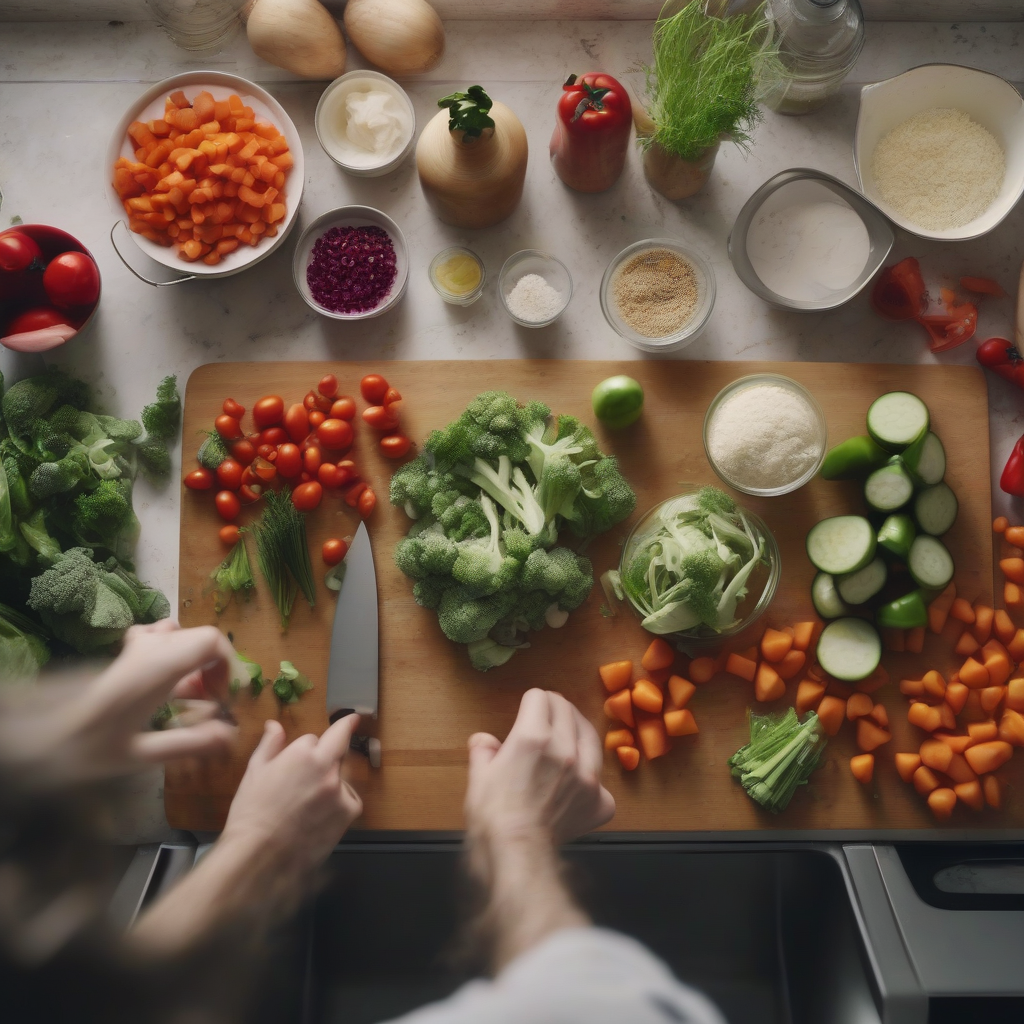
If you're new to meal prepping, here are some steps to guide you:
- Choose Your Day: Select a day that works for you, whether it's Sunday or another day that fits into your schedule.
- Select Recipes: Look for recipes that are both healthy and freezer-friendly. Aim for a mix of proteins, vegetables, and grains.
- Create a Shopping List: Compile a list of ingredients needed for your chosen recipes, ensuring you have everything on hand.
- Organize Your Cooking Space: Clear your kitchen and gather all necessary tools and ingredients before you start cooking.
Cooking Strategies for Efficiency
To maximize your meal prep time, consider these strategies:
- Batch Cooking: Prepare multiple recipes simultaneously. For example, roast vegetables while grilling chicken to save time.
- Use One-Pot Recipes: Opt for meals that can be prepared in one pot or pan to minimize cleanup time.
- Invest in Kitchen Tools: Utilize a slow cooker or Instant Pot for hands-off cooking, allowing you to focus on other tasks.
- Multi-Task: While one dish is cooking, start on another. This can make the process feel quicker and more efficient.
Storage Solutions for Meal Prep
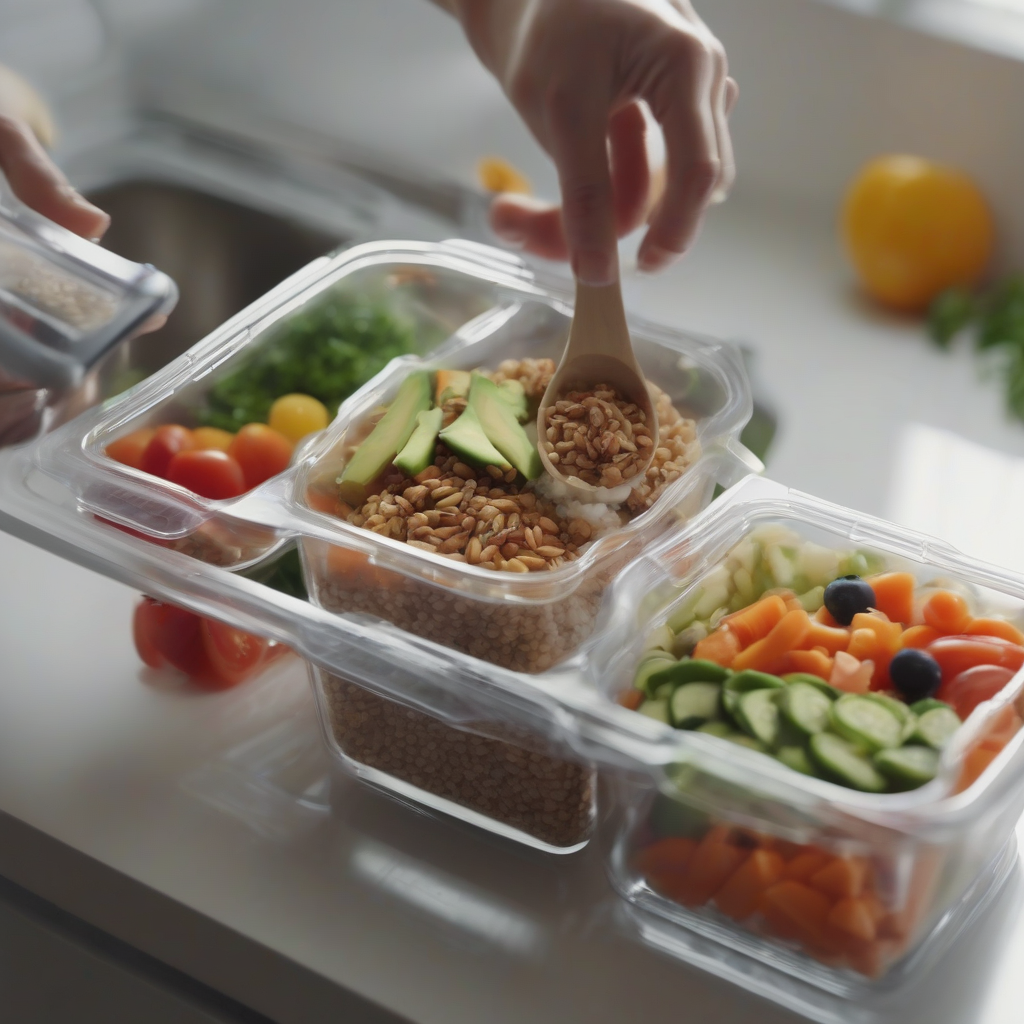
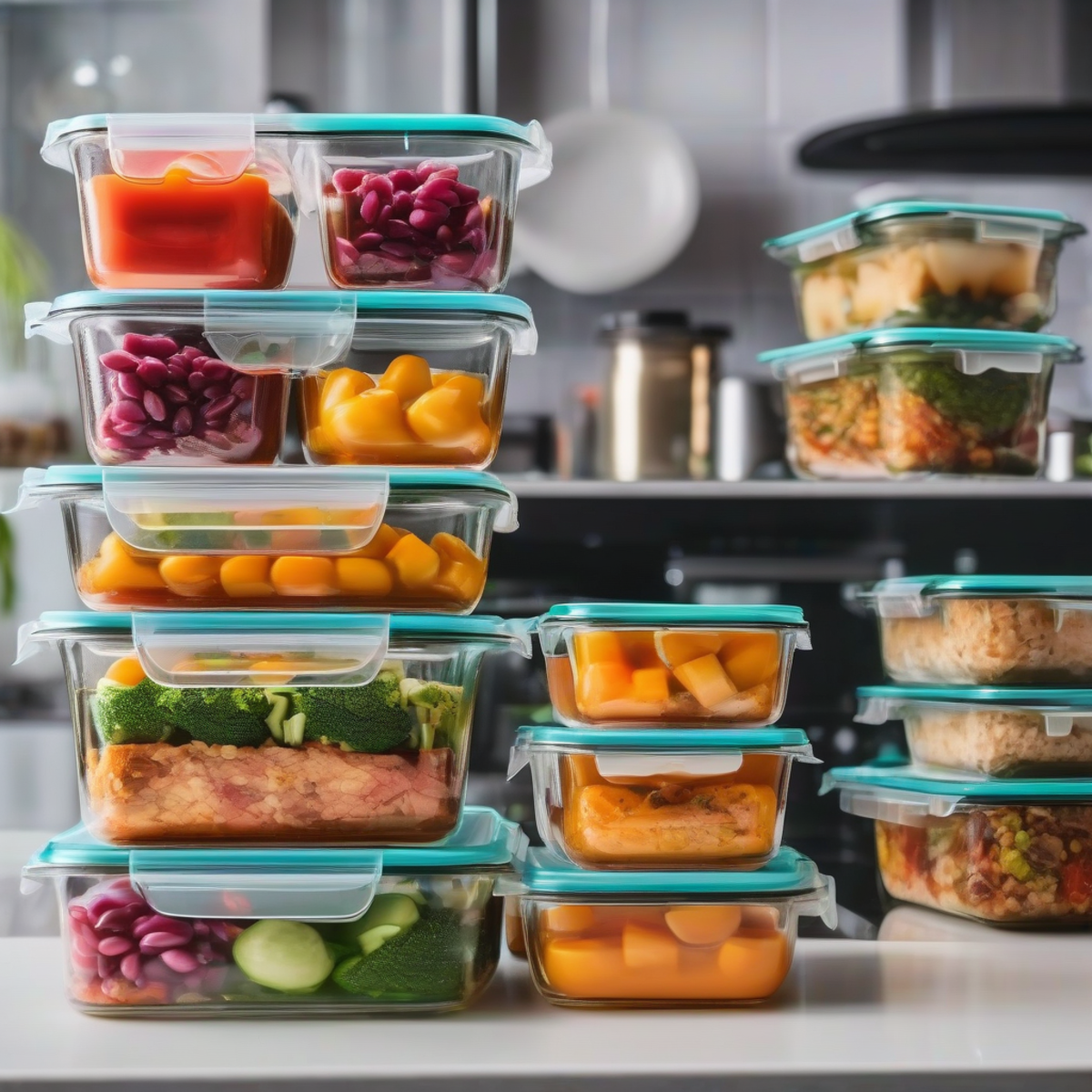
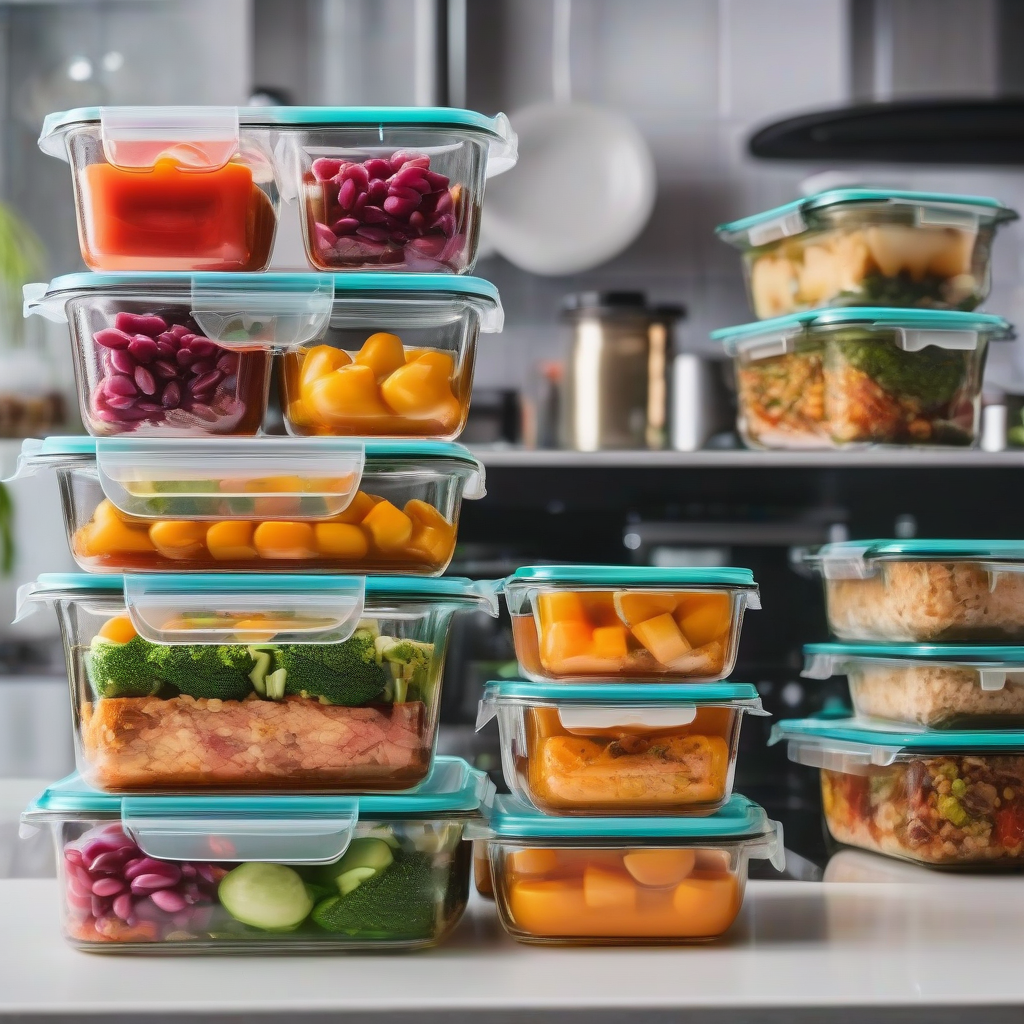
Choosing the right storage containers is crucial for maintaining the quality of your prepped meals:
- Glass Containers: Ideal for reheating and storing meals; they don't absorb odors and are microwave-safe.
- Plastic Containers: Lightweight and durable, these are perfect for on-the-go meals.
- Freezer Bags: Great for storing bulk meals; they save space and allow for easy labeling.
Reheating and Enjoying Your Meals
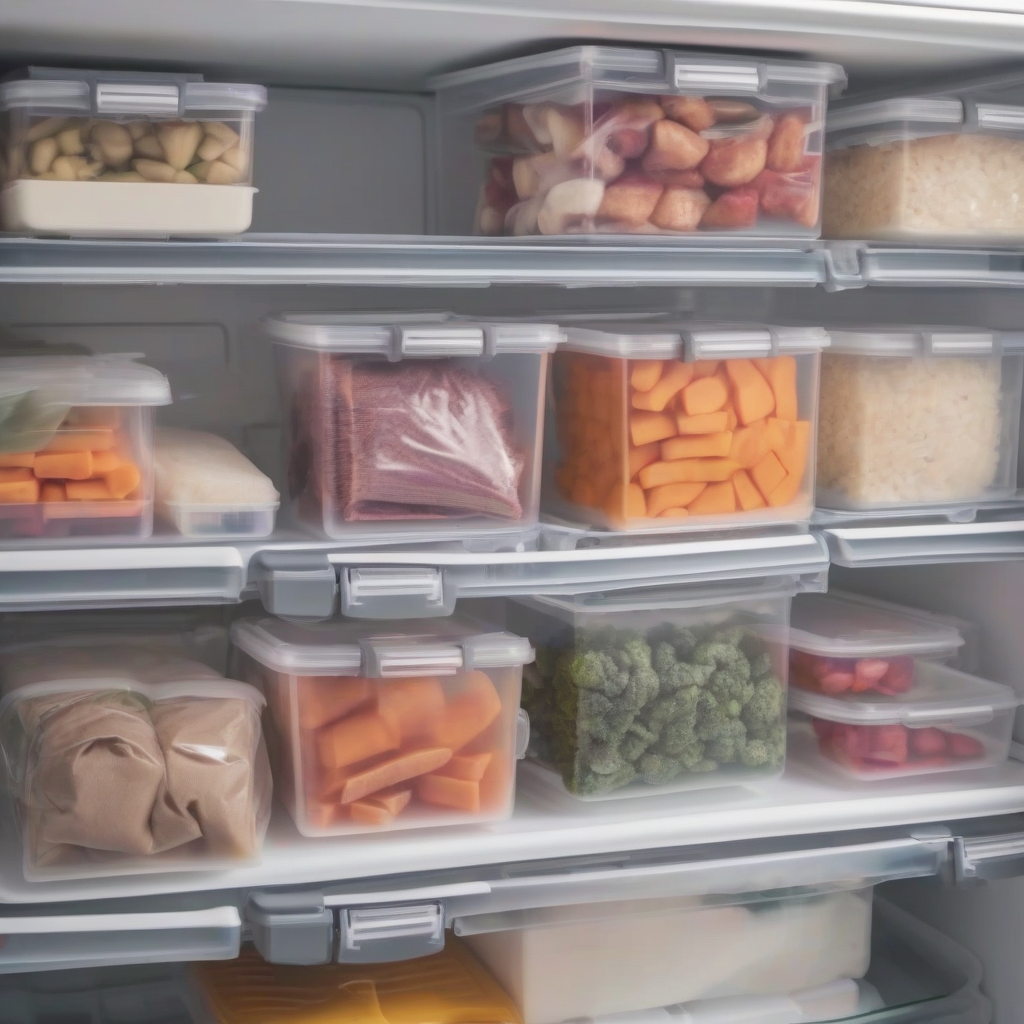
When it's time to enjoy your prepped meals, follow these tips:
- Thawing: Move frozen meals to the fridge a day before to allow for gradual thawing.
- Reheat Properly: Use the method that corresponds to how the meal was cooked. For instance, soups should be reheated on the stove, while casseroles are best in the oven.
- Seasoning: Don’t hesitate to add fresh herbs or spices when reheating to enhance flavors.