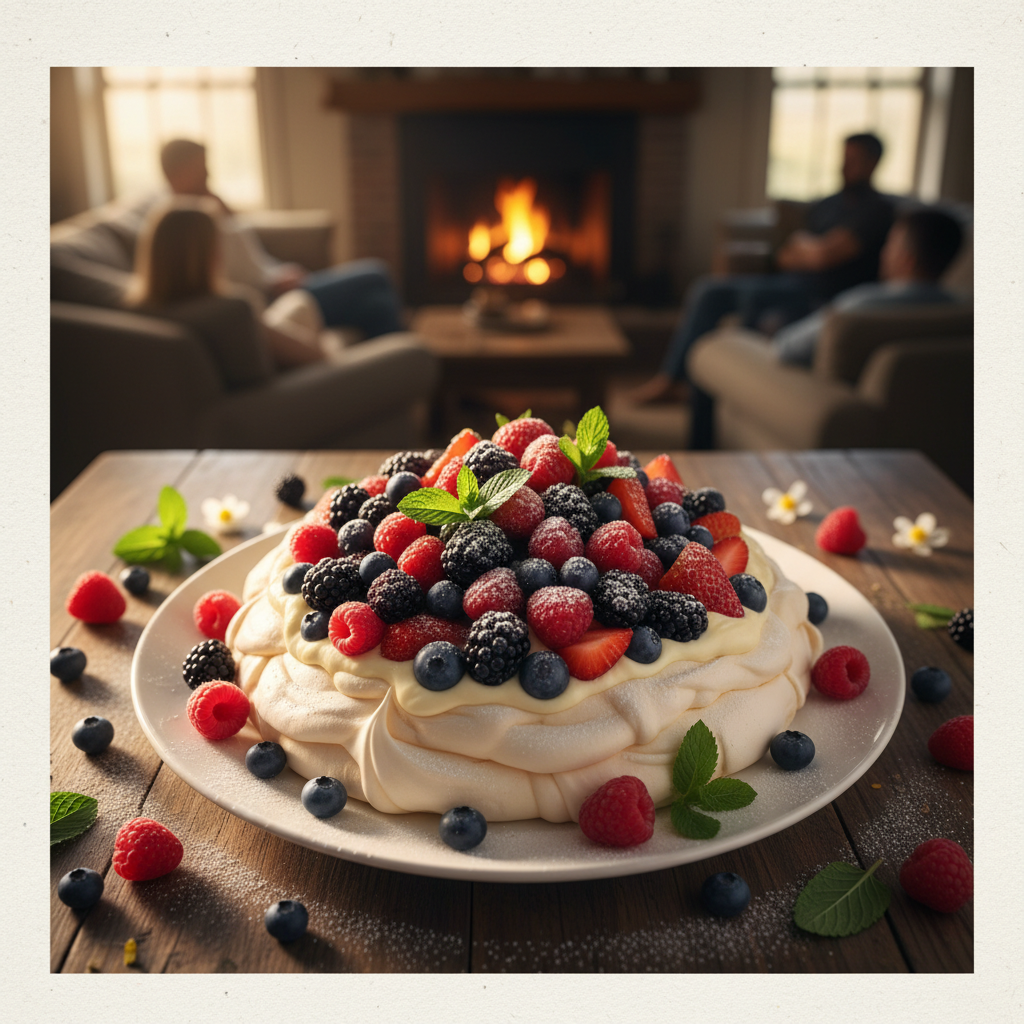
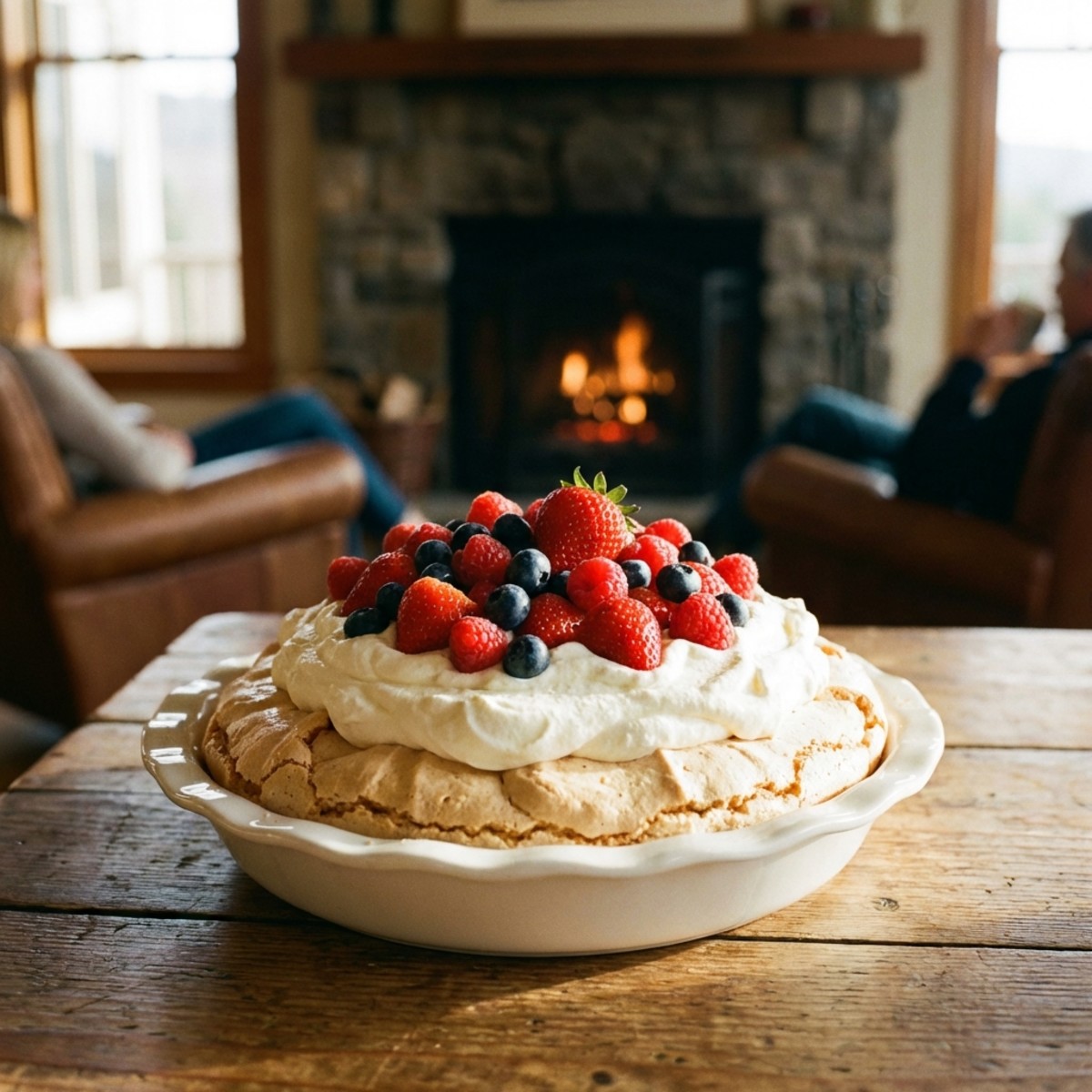
Understanding Pavlova: A Classic Dessert
The Origins of Pavlova
Pavlova is a sweet treat named after a famous Russian ballerina, Anna Pavlova. This dessert has roots in both Australia and New Zealand. Both countries claim to have created it. The first known recipe appeared in the 1920s. It is a meringue dessert with a soft, marshmallow center.
Cultural Significance in Australia and New Zealand
Pavlova holds great pride in both Australia and New Zealand. For many, it is a must-have at holidays and special events. People serve it with whipped cream and fresh berries. This dessert stands out for its light and airy texture. It symbolizes celebration and joy in both cultures.
How Pavlova Became a Celebrated Dessert
Pavlova gained fame due to its unique taste and look. Its crisp outer shell and soft inside make it special. Social media helped spread its popularity. Many people share their own pavlova creations online. Today, it is a favorite dessert around the world. You can find many variations, from fruity to chocolatey. This classic pavlova recipe will surely impress your guests at any gathering.
Essential Ingredients for Classic Pavlova
Key Ingredients You Need
To make a classic pavlova, you need a few key items. The main ingredient is egg whites, which create the meringue base. You also need granulated sugar to sweeten and stabilize the meringue. Cornstarch helps give it a light texture, while vinegar adds a subtle tang. Finally, vanilla extract brings the flavor to life. These traditional pavlova ingredients are easy to find and essential for a successful dessert.
The Role of Eggs in Meringue
Eggs play a crucial role in meringue. The egg whites whip up into a fluffy foam. This foam traps air, making the pavlova light and airy. When you bake the pavlova, the heat helps form a crispy shell. The inside stays soft and marshmallow-like. This contrast in texture is what makes pavlova special. Always use fresh eggs for the best results.
Alternatives for Common Ingredients
If you need alternatives, there are options. For sugar, you can use coconut sugar or a sugar substitute. For a gluten-free dessert, cornstarch is perfect and naturally gluten-free. If you want a vegan pavlova, try aquafaba, the liquid from chickpeas. It whips like egg whites and works well in meringue dessert recipes. With these easy swaps, you can still enjoy pavlova while meeting different dietary needs.
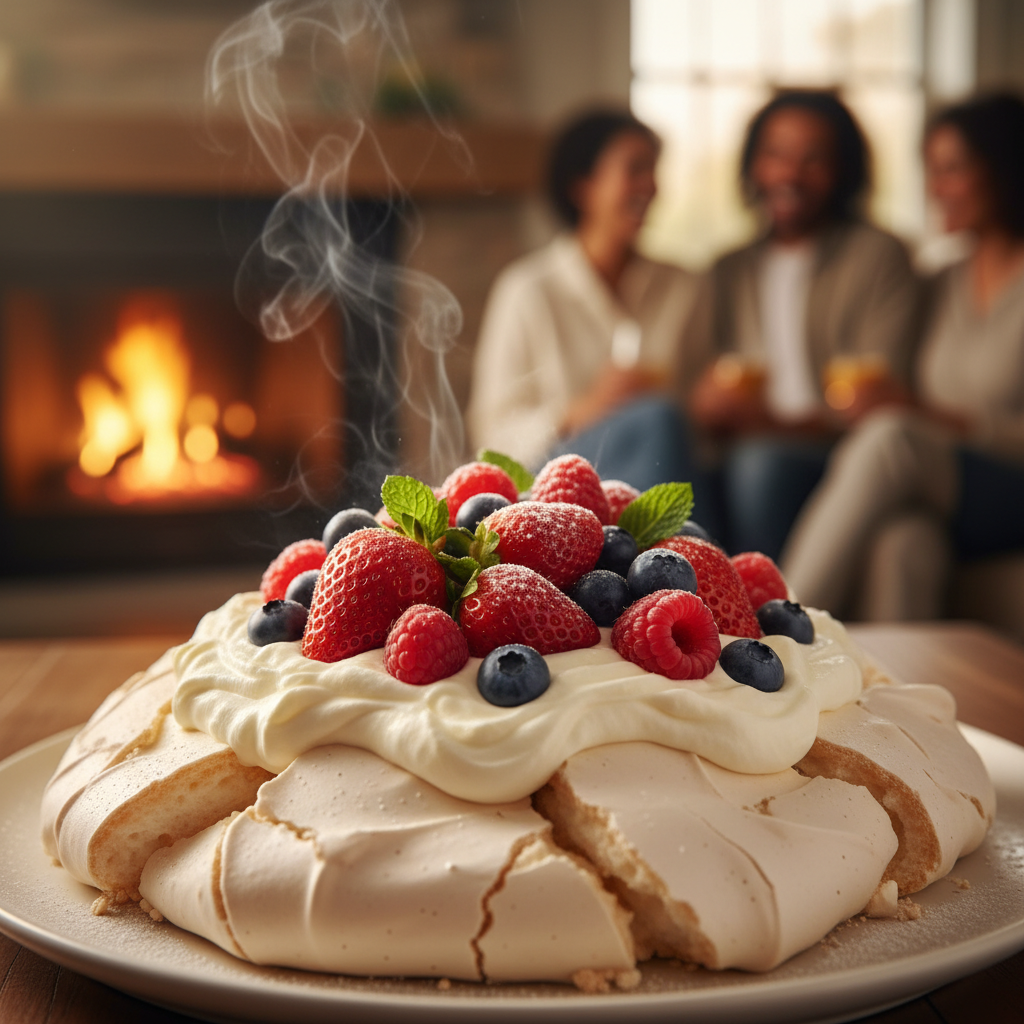
Step-by-Step Guide to Making Classic Pavlova
Preparing Your Ingredients
Start by gathering your ingredients. You need egg whites, sugar, vinegar, and cornstarch. Make sure your eggs are at room temperature. This helps them whip better. Use a clean bowl for beating the egg whites. Any fat will stop them from getting fluffy. Measure your sugar carefully. Too much sugar can make the meringue too sweet.
Mixing and Whipping Techniques
Begin by adding egg whites to the bowl. Whip them on medium speed until soft peaks form. This takes about two to three minutes. Gradually add sugar, a spoonful at a time, while mixing. Keep beating until stiff peaks form. The mixture should look glossy. Fold in the vinegar and cornstarch gently. This step helps keep your pavlova soft inside. Avoid overmixing the batter to keep it light.
Baking and Cooling Process
Preheat your oven to low heat, around 250°F. Line a baking tray with parchment paper. Use a spatula to shape the meringue into a circle. Make a slight dip in the center for your toppings. Bake for about 60 to 75 minutes. The pavlova should be crisp on the outside. After baking, turn off the oven and leave the door ajar. Let it cool completely inside the oven. This helps prevent cracks. Once cool, your pavlova is ready for toppings!
Whipped Cream Toppings and Berry Combinations
Making the Perfect Whipped Cream
Start with cold heavy cream. It whips better when it’s cold. Use a clean bowl and beaters. This helps the cream whip fast. Whip the cream until it forms soft peaks. Avoid over-whipping, as it can turn into butter. Add a little sugar for sweetness. You can also add vanilla for flavor. This simple whipped cream is light and fluffy. It pairs well with your pavlova and berries.
Choosing Seasonal Berries
Seasonal berries bring flavor and color to your pavlova. Strawberries, blueberries, and raspberries are great choices. They add a fresh taste to the dish. Choose berries that are ripe and sweet. You can also mix in blackberries or cherries. Each berry gives a unique flavor. This variety makes your dessert more exciting. Fresh berries make your pavlova look stunning.
Creative Berry Combinations for Your Pavlova
Mix different berries for a fun twist. Try strawberries and blueberries together. This mix adds color and taste. You can also combine raspberries and blackberries. Their tartness balances the sweet cream. For a tropical feel, add slices of kiwi. You can even drizzle some berry sauce on top. This adds extra flavor and moisture. Get creative with your berry choices, and enjoy!
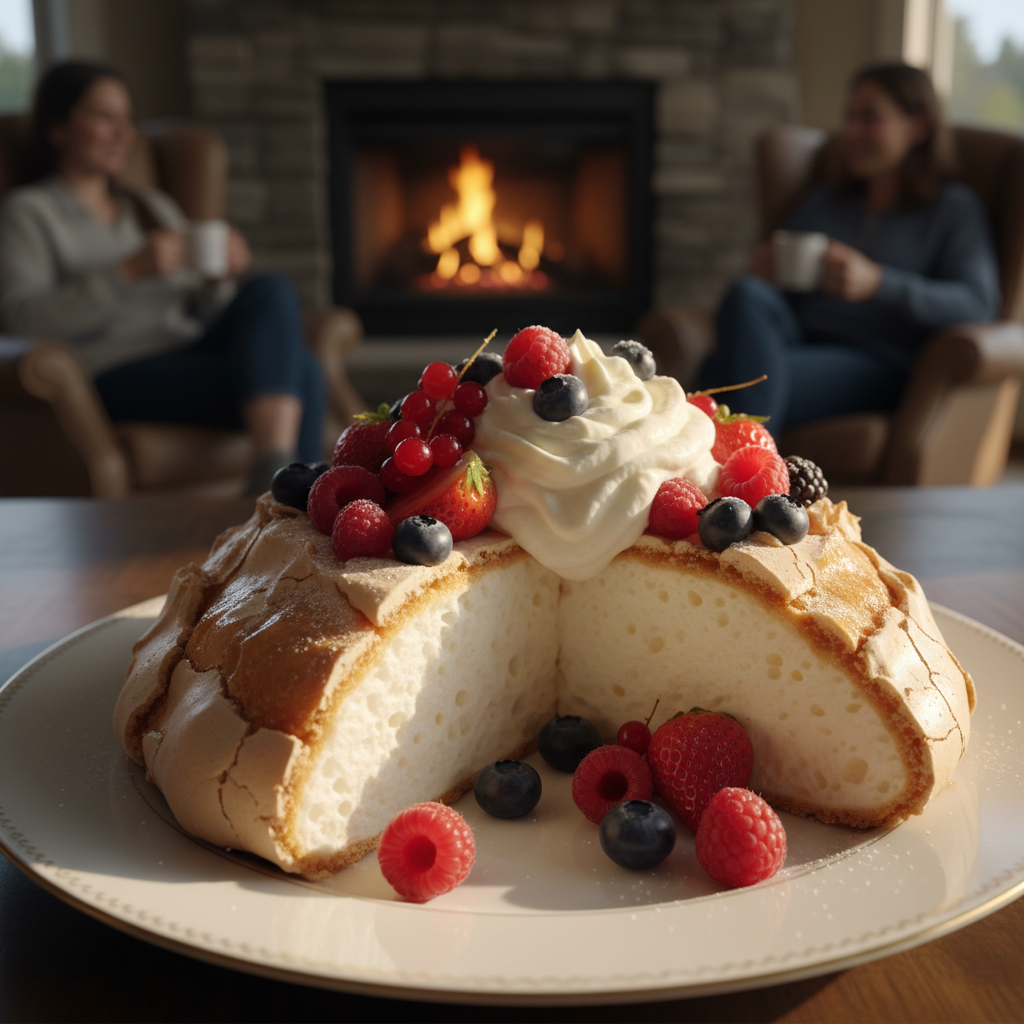
Classic Pavlova with Fresh Berries and Whipped Cream
Stunning Ways to Serve Pavlova
Pavlova is a show-stopper dessert. Its crisp shell and soft center look amazing. You can serve it whole or sliced. For a fancy touch, add a light dusting of powdered sugar. A drizzle of berry sauce can bring color and flavor. A fruit salad on the side also works well. Use a large plate to catch the eye, and place the pavlova in the center.
Layering and Decorating Tips
Layering pavlova makes it even more special. Start with a base of whipped cream. Then, add your choice of fresh berries. Repeat these layers for a fun look. You can also mix berries for a colorful effect. For extra flair, add mint leaves or edible flowers on top. This adds a pop of color and freshness.
Pairing Pavlova with Other Desserts
Pavlova pairs well with other light desserts. Consider serving it with a scoop of sorbet or ice cream. A berry compote can add a rich taste. You can also offer a side of custard for dipping. This adds creaminess that contrasts the crisp meringue. For a full dessert table, include small cakes or tarts.
Troubleshooting and Tips for Perfecting Pavlova
Common Mistakes and How to Avoid Them
Making pavlova can be tricky. One common mistake is not beating the egg whites enough. You want them to be stiff and glossy. If they are soft, your pavlova will not hold its shape.
Another issue is humidity. High moisture can ruin the crispness of the meringue. Try to bake on a dry day. If it’s rainy, your pavlova might not turn out right.
Also, be careful with the oven temperature. If its too hot, the pavlova can crack. A low temperature will help it bake slowly and evenly.
Storage Tips to Keep Your Pavlova Fresh
Store pavlova in a dry place. Humidity can make it soggy. I suggest using an airtight container.
Do not add the cream and berries until serving. This keeps the meringue crisp. You can store the meringue for up to two days before adding toppings.
If you have leftovers, enjoy them within a day. The longer they sit, the less crunchy they become.
Enhancements for Future Bakes
Want to change things up? Try adding lemon zest to the meringue for a zing. You can also use almond extract for a nutty flavor.
For toppings, think outside the box. Mix different berries for more color and taste. You can also use a berry compote instead of fresh berries.
If you want a twist, try chocolate drizzle on top. It adds a rich flavor that pairs well with the cream.
Ingredients
- 4 large egg whites
- 1 cup granulated sugar
- 1 teaspoon white vinegar
- 1 teaspoon cornstarch
- 1 cup heavy cream
- 2 tablespoons powdered sugar
- 1 teaspoon vanilla extract
- 2 cups mixed fresh berries (strawberries, blueberries, raspberries, etc.)
Instructions
- Preheat your oven to 225°F (110°C).
- In a clean bowl, beat egg whites until soft peaks form.
- Gradually add granulated sugar, beating until stiff peaks form.
- Gently fold in vinegar and cornstarch.
- Spread the mixture onto a lined baking sheet, forming a circle.
- Bake for 1 hour, then turn off the oven. Let it cool inside.
- Once cool, whip cream with powdered sugar and vanilla until soft peaks form.
- Top the pavlova with whipped cream and fresh berries.