
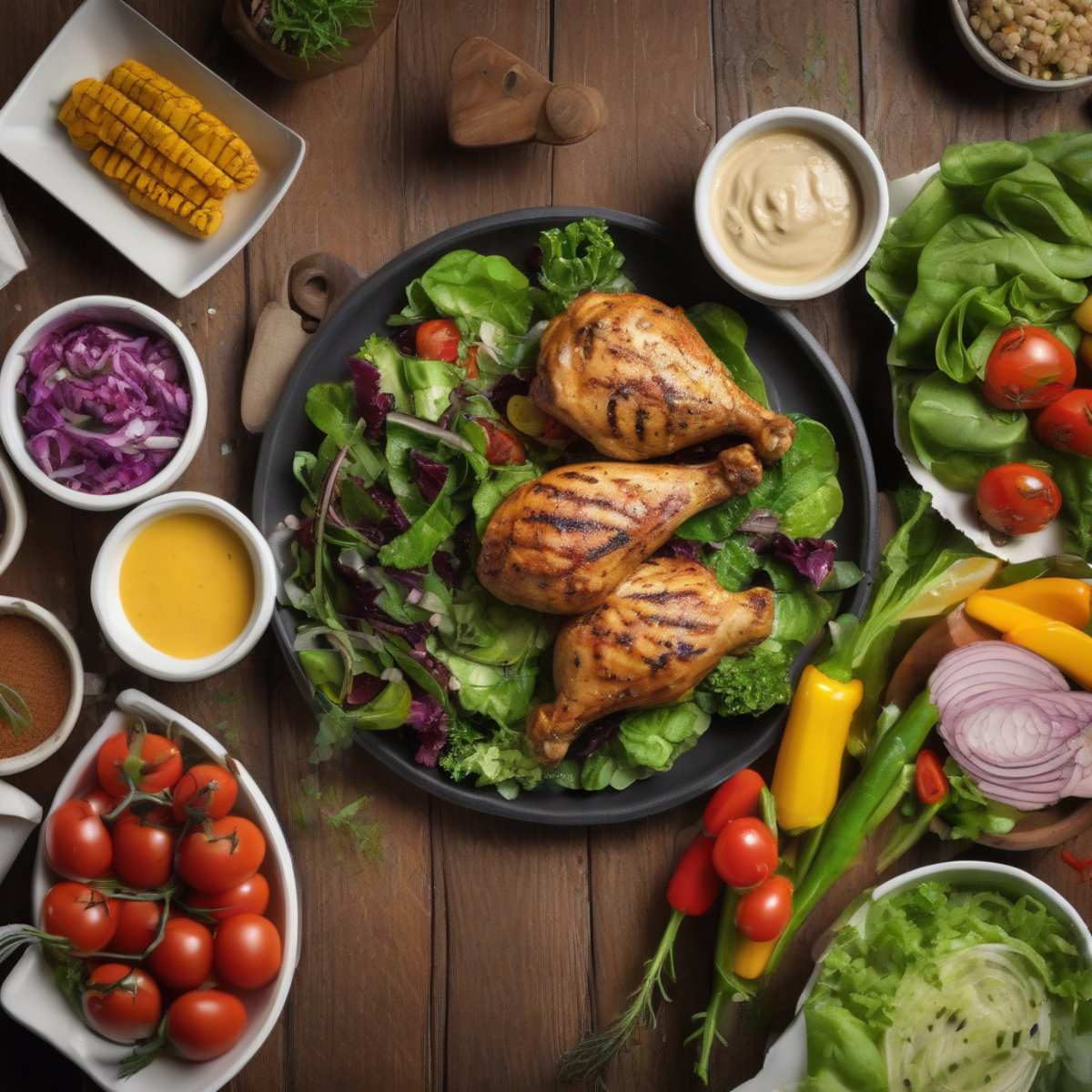
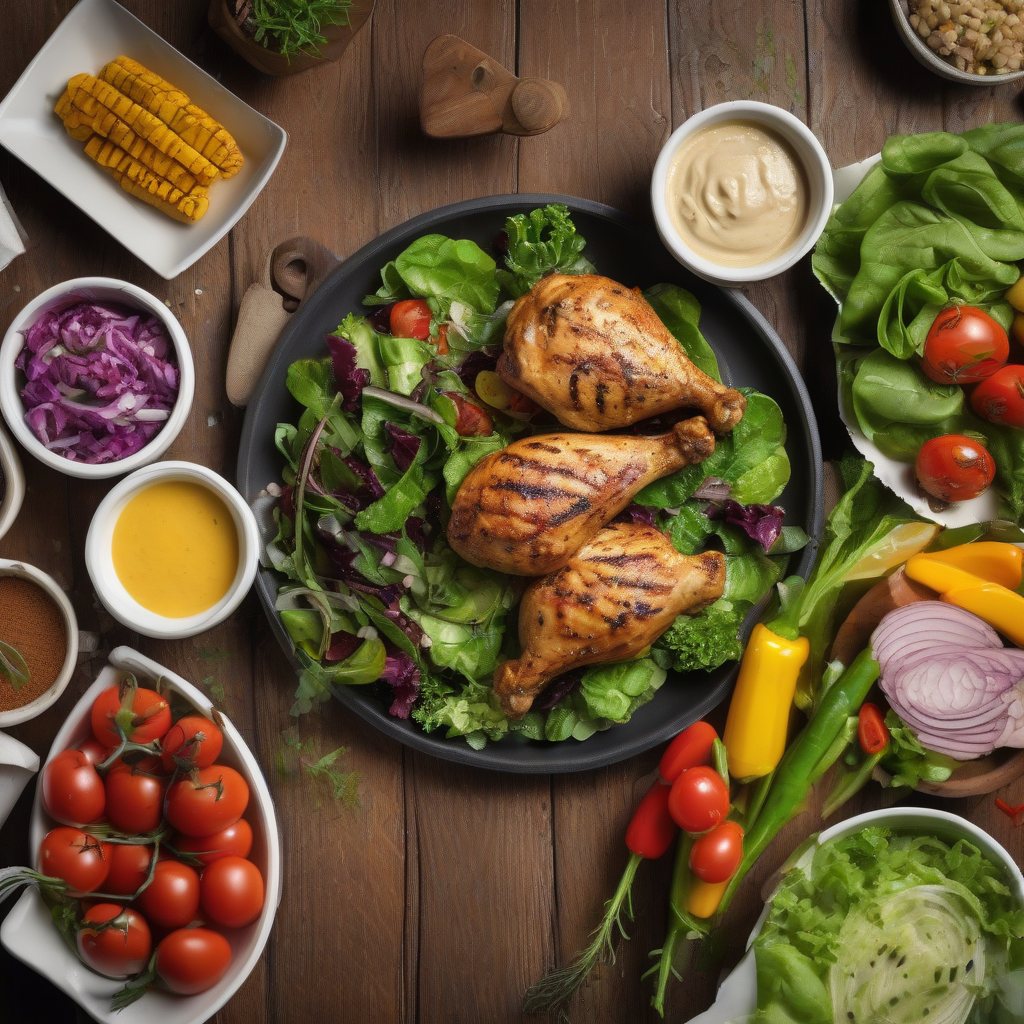
Understanding the High Protein, Low Carb Diet
A high protein, low carb diet is not just a fleeting trend; it’s a sustainable way to enhance your overall health and fitness. By prioritizing protein and minimizing carbohydrate intake, you can effectively manage your hunger, support muscle growth, and stabilize your energy levels throughout the day.
This dietary approach emphasizes the consumption of nutrient-dense foods while steering clear of those that can lead to spikes in blood sugar. For anyone looking to adopt this lifestyle, understanding what foods to include and which to avoid is crucial.
Key Components of the Diet
To successfully embrace a high protein, low carb diet, it's essential to focus on three main components: protein, healthy fats, and carbohydrates. Each plays a distinct role in your nutrition.
Protein: The Cornerstone
Protein is vital for muscle repair and growth. Including a variety of protein sources in your daily meals ensures that you meet your nutritional needs. Aim for a minimum of 100 grams of protein each day, adjusting based on your individual fitness goals.
- Lean meats: Chicken, turkey, and lean cuts of beef
- Fish: Salmon, tuna, and other seafood
- Dairy: Greek yogurt and cottage cheese
- Plant-based options: Tofu and legumes (in moderation)
Healthy Fats: Essential Nutrients
Healthy fats are crucial for hormone production and overall health. Incorporate sources of healthy fats to keep you feeling satiated:
- Avocados
- Olive oil
- Fatty fish
- Nuts and seeds
Identifying Low Carbohydrate Foods

When following a low carb diet, the focus should be on fiber-rich vegetables and low-sugar fruits. This approach helps in avoiding processed carbohydrates that can derail your progress.
Low Carb Vegetable Choices
Incorporate a variety of vegetables to add nutrients without the carbs:
- Leafy greens: Spinach, kale, and Swiss chard
- Cruciferous vegetables: Broccoli, cauliflower, and Brussels sprouts
- Others: Zucchini, bell peppers, and asparagus
Low Sugar Fruits
While fruits are often associated with high sugar content, some options fit well within a low carb framework:
- Berries: Strawberries, raspberries, and blackberries
- Avocado
- Olives
Meal Planning: Your Roadmap to Success
Effective meal planning is key to successfully maintaining a high protein, low carb diet. By organizing your meals ahead of time, you can avoid last-minute choices that may not align with your dietary goals.
Sample Meal Ideas
Here’s a quick three-day meal plan to get you started:
- Day 1: Breakfast: Omelet with spinach and cheese; Lunch: Grilled chicken salad; Dinner: Baked cod with steamed broccoli.
- Day 2: Breakfast: Greek yogurt with nuts; Lunch: Turkey lettuce wraps; Dinner: Stir-fried shrimp with assorted vegetables.
- Day 3: Breakfast: Cottage cheese with berries; Lunch: Beef stir-fry with bell peppers; Dinner: Roasted chicken thighs with asparagus.
Avoiding Common Pitfalls
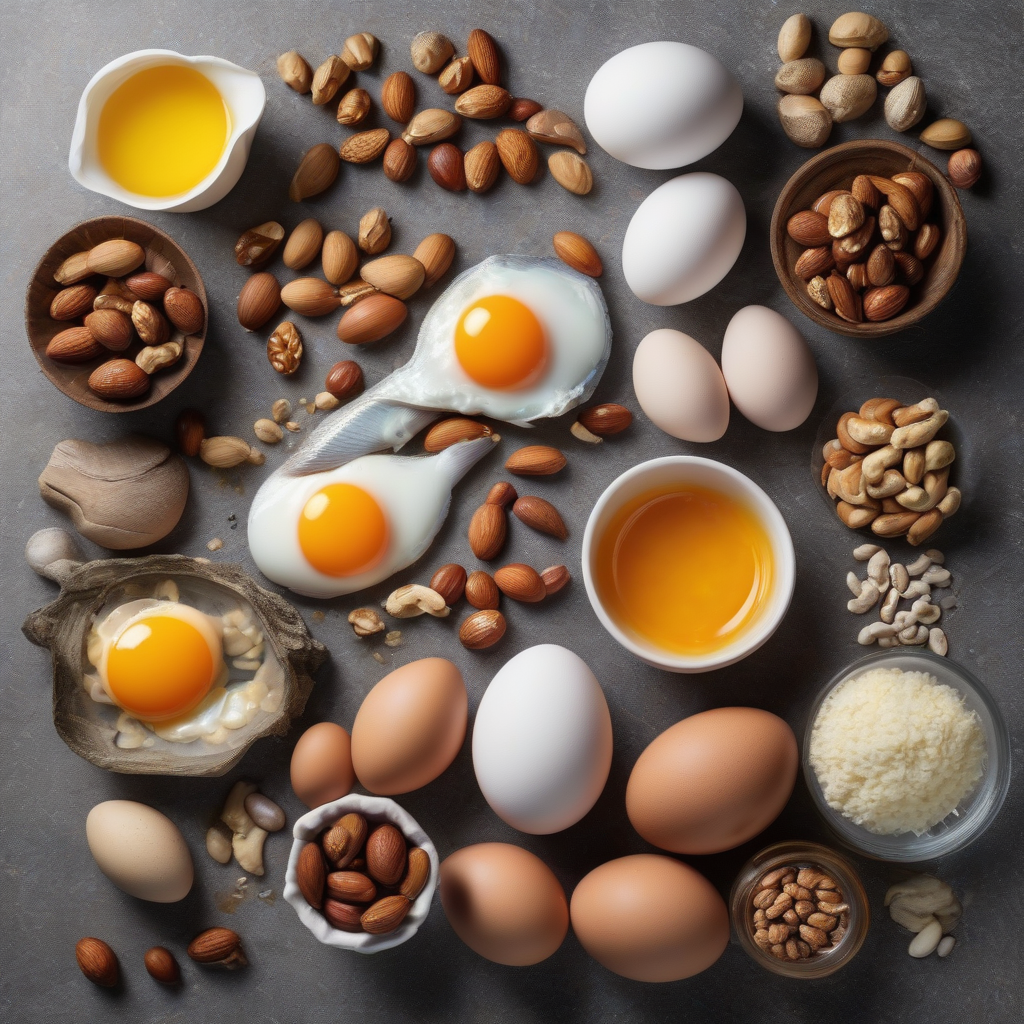
When transitioning to a high protein, low carb diet, it’s essential to be aware of hidden carbohydrates and sugar traps that can sabotage your efforts.
Foods to Limit or Avoid
- Processed grains: Bread, pasta, and cereals
- Starchy vegetables: Potatoes and corn
- High-sugar fruits: Bananas and grapes
- Sweetened beverages: Sodas and juices
Staying Motivated and On Track
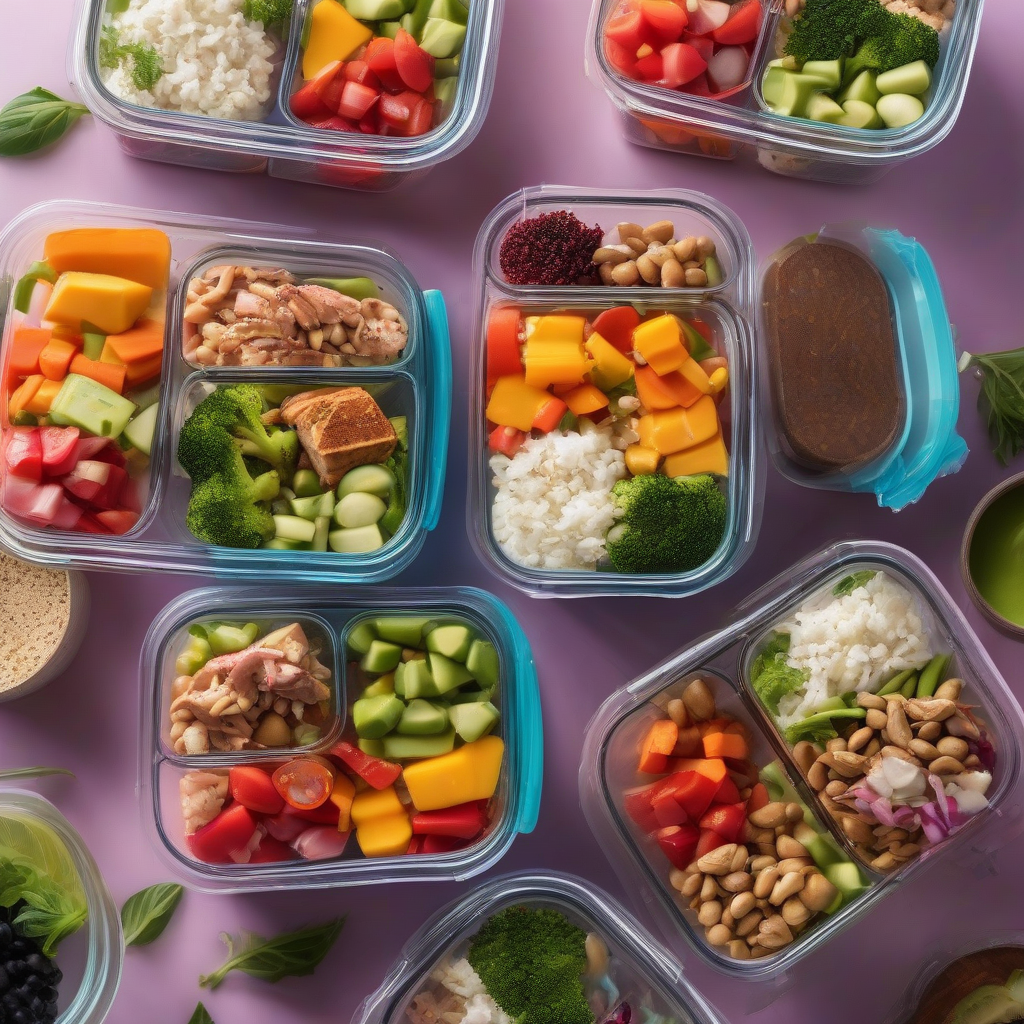
Maintaining a high protein, low carb diet doesn’t have to be boring or restrictive. Here are some tips to keep your meals enjoyable and satisfying:
- Experiment with flavors: Use herbs and spices to enhance your dishes.
- Prioritize meal prep: Prepare meals in bulk to simplify your week.
- Stay hydrated: Drink plenty of water and consider electrolyte supplementation.
- Focus on whole foods: Choose minimally processed options wherever possible.